How Fiberglass Shades Can Transform Your Boat’s Comfort & Protection
Three summers ago, I came back from a weekend on the lake with a sunburn so bad my shoulders were peeling for a week, and my dashboard had a crack running straight across it from months of sitting under direct sun. That was the day I stopped thinking of shade as a “nice to have” and started treating it as actual boat maintenance.
If you own a boat, you already know the sun isn’t just uncomfortable it’s slowly wrecking your gel coat, your seats, your electronics, and honestly, your skin too. I spent a good chunk of one off-season researching, testing, and eventually installing fiberglass shades on my own boat, and I want to walk you through everything I wish someone had told me before I started.
Why I Even Started Looking Into This
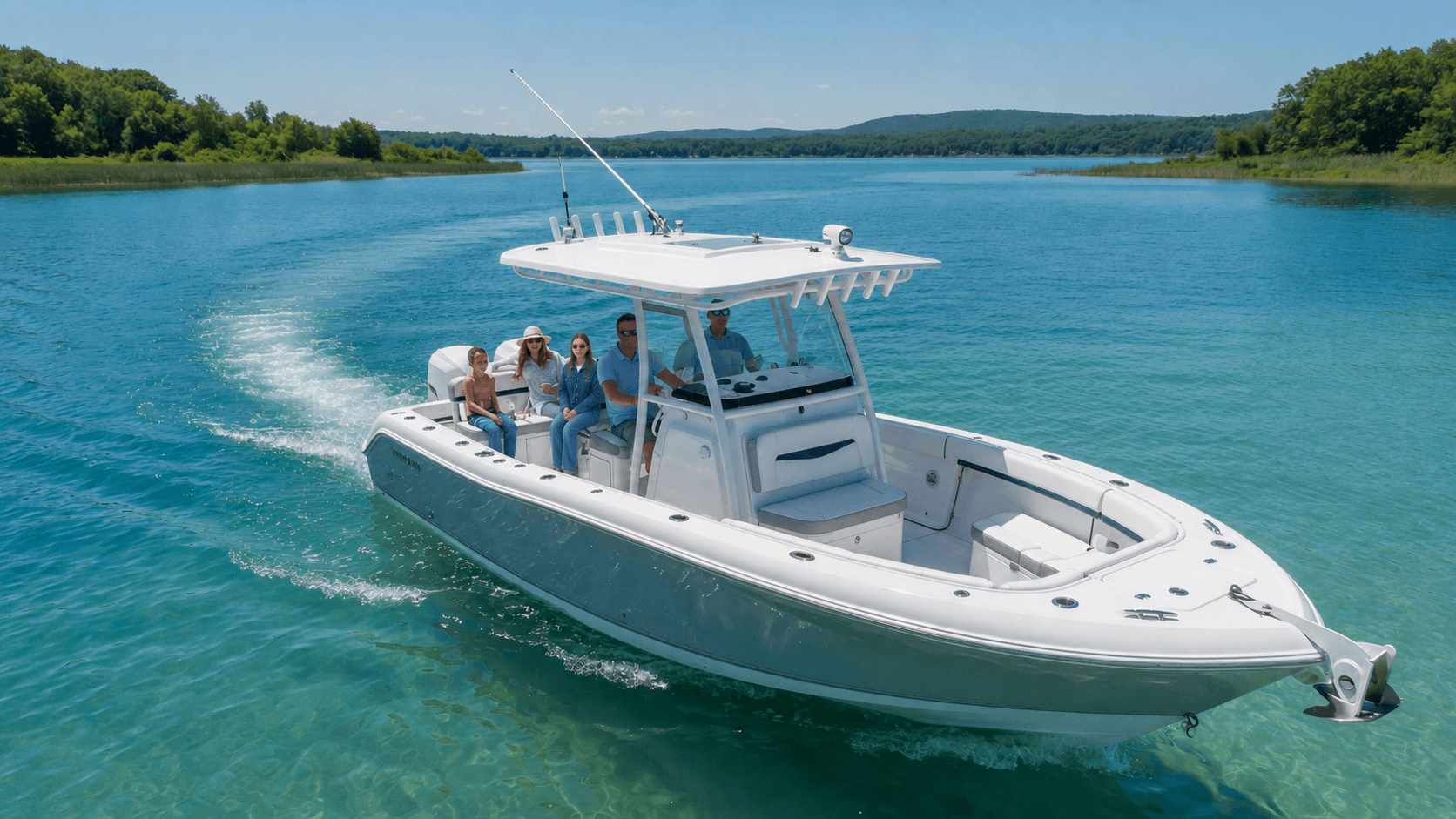
My boat is a 24-foot center console, nothing fancy, but it’s my weekend escape. The problem was that every trip past 11 AM turned into a suffering contest. Vinyl seats hot enough to sear a burger. My wife refusing to sit up front because there was zero shade. And don’t get me started on trying to read the chartplotter screen with glare bouncing off it.
I tried the cheap route first a pop-up umbrella clamped to the console. It lasted exactly one windy afternoon before it folded like a taco and nearly went overboard with my sunglasses attached to it. That’s when a guy at my marina mentioned fiberglass shades, or “hardtops” as some people call the bigger versions, and I figured I’d look into it properly.
What Fiberglass Shades Actually Are
Just so we’re on the same page fiberglass shades are rigid, molded canopy structures (unlike canvas biminis, which are basically fabric stretched over a frame). Some are full hardtops that bolt onto the console or a support structure, others are smaller shade panels or T-tops designed specifically to cover the helm and seating area.
The material itself is the same stuff used in surfboards and boat hulls layered fiberglass cloth soaked in resin, then finished with a gel coat. Done right, it’s basically weatherproof armor that also happens to block the sun.
The Difference Once It Was Installed
I’ll be honest, I underestimated how much of a difference this would make. Within the first trip out with the new hardtop installed, a few things became obvious:
The seating area was noticeably cooler not “slightly better,” but genuinely comfortable enough that my kids stopped complaining after twenty minutes like they used to.
My electronics stopped overheating. I run a Garmin GPSMAP unit, and before the shade, it would occasionally throw a heat warning on brutal August afternoons. Never happened again after the top went on.
The seats and dash stopped fading. That plastic-gone-chalky look that boats get after a couple summers? Mine hasn’t developed it, three seasons in.
Comfort Isn’t Just About Temperature
People assume shade is only about staying cool, but there’s more to it. Glare reduction is a massive underrated benefit. Once there was shade over the helm, I could actually see my screens properly at midday without cupping my hand over them like an idiot.
There’s also the skin thing. I’m not going to lecture anyone about sunscreen, but spending six hours a day under direct UV exposure adds up over a season. Having real shade instead of relying purely on sunscreen and hats made a noticeable difference for me and my kids.
Protection Goes Beyond You It’s About the Boat Too
This is the part most people don’t think about until it’s too late. UV exposure breaks down:
Gel coat, causing that chalky, faded look and eventually cracking.
Vinyl upholstery, which dries out, cracks, and eventually tears.
Rubber seals and hoses, which get brittle over time.
Electronics housings, which can warp or discolor under prolonged heat.
A fiberglass shade doesn’t just block the sun off your head it shields the console, seating, and often the helm electronics from years of slow degradation. Think of it like sunscreen for your entire boat, except it doesn’t wash off.
Step-by-Step: How I Chose and Installed Mine
If you’re considering this, here’s roughly how I approached it, mistakes included.
Step 1: Measure everything twice. I measured my console width once, ordered a shade kit, and it didn’t fit because I forgot to account for the rail height. Measure the console, the walkway clearance, and check overhead clearance for your trailer or garage too you don’t want a shade that clips your garage door every time you tow it home.
Step 2: Decide between a full hardtop or a smaller shade panel. A full fiberglass hardtop covers more area and often includes rocket launchers or rod holders, but it’s heavier and pricier. A smaller shade panel is lighter, cheaper, and easier to install yourself, but obviously covers less ground. I went with a mid-size hardtop because I wanted coverage over both the helm and the first row of seating.
Step 3: Check the mounting structure your boat can actually support. This is where I almost messed up. Fiberglass is strong, but it’s not lightweight. My console needed reinforced mounting points to handle the added weight and wind load, especially at speed. I had a local rigger check the structure before installation worth the extra hundred bucks, honestly.
Step 4: Get professional installation, or at least have someone check your work. I’m handy, but bolting a heavy fiberglass structure to a moving vessel isn’t the place to freestyle. I did the initial fitting myself, then had my marina’s rigger check the bolts, backing plates, and sealant. Skipping this step is how people end up with a top that flexes or leaks at the mounting points.
Step 5: Seal every mounting hole properly. This sounds obvious, but I’ve seen boats with tops installed where water eventually seeped into the console through poorly sealed bolt holes. Marine-grade sealant (I used Sika 291) on every single mounting point, no exceptions.
Step 6: Add accessories once the base structure is solid. After the top was secure, I added a rocket launcher, a small LED light bar, and later a Garmin antenna mount right onto the top since it’s rigid enough to support it. That’s actually one of the underrated perks fiberglass tops give you a stable mounting surface you don’t get with a soft bimini.
Mistakes to Avoid
A few things I’d tell my past self if I could:
Don’t go cheap on hardware. I initially used standard stainless bolts instead of marine-specific fasteners, and within a season, one started showing surface rust. Swap for proper marine-grade hardware from the start.
Don’t ignore wind load. A rigid fiberglass shade catches wind very differently than canvas. At higher speeds, it can create noticeable drag or even stress on the mounts if it’s not properly reinforced. If you run your boat fast and far, mention this specifically to whoever’s installing it.
Don’t skip the gel coat maintenance. Ironically, the shade itself needs occasional care a coat of marine wax twice a season keeps it from chalking over time, the same UV damage it’s protecting the rest of your boat from.
Don’t assume one size fits all boats. What worked for my center console won’t necessarily work for a pontoon or a bay boat. Talk to a rigger who’s actually installed shades on your specific hull type.
Real-World Comparison
A buddy of mine has a similar-sized boat but stuck with a canvas bimini. His setup cost him less upfront, sure, but he’s already replaced the canvas once due to sun rot, and the frame rattles at speed in a way mine never does. Meanwhile, my fiberglass top has needed nothing beyond the occasional wax job in three seasons. It cost more initially, but when I break it down per season, it’s actually worked out cheaper and a lot more comfortable to sit under.
Final Thoughts
Adding a fiberglass shade wasn’t just a comfort upgrade for me it changed how often I actually use the boat. Before, trips got cut short by heat, glare, or cranky kids. Now we stay out longer, the boat looks better after each season instead of worse, and I’m not applying sunscreen every ninety minutes like it’s a part-time job.
If your boat spends real time on the water and not just tucked away in a marina, shade isn’t a luxury add-on. It’s protection for your gear, your family, and honestly your own patience on a long hot day out on the water.